San Joaquin Kit Fox (Vulpes Macrotis Mutica) What is it? The San Joaquin kit fox is a subspecies of the kit fox which can be found
throughout the deserts of western North America. This fox is a small, desert-adapted
species of canid (member of the dog family). San Joaquin kit foxes are relatively
small (about 5lbs. as adults) and approximately the size of a house cat. Where does it live? Once a widespread species throughout much of the grassland and
desert scrub habitats in the Central Valley, the San Joaquin kit fox inhabits only
inhabits a few patches of suitable habitat in the southern end of the Central Valley. What’s its life like? San Joaquin kit foxes can live up to 7 years in the wild. They
breed once a year during the winter and spring, and a female can give birth to 2-6
pups in the spring. These foxes exclusively use underground dens for raising pups,
but also use dens year-round to avoid extreme conditions (like heat) and predators
(like coyotes and eagles). San Joaquin kit foxes are primarily nocturnal but can occasionally
be seen during the day. These foxes primarily eat small mammals (rodents, squirrels,
etc.) and insects, but are also known to scavenge leftover food from people. Why is it endangered? The San Joaquin kit fox is endangered because of habitat loss.
Approximately 90% of this species’ historic habitat in the San Joaquin Valley has
been replaced with agriculture, energy development (e.g., oil extraction), and urbanization.
Because of this severe loss of habitat, there is only a fraction of foxes alive today
that would have been alive prior to the loss of their habitat. Some of the remnant
population has been relatively successful in urban areas, like Bakersfield. However,
the urban foxes face new threats with vehicle strikes on roads and sarcoptic mange
(a contagious skin disease that kills foxes), in addition to continued urban habitat
loss as Bakersfield continues to expand. What is CSUB doing to protect this species? We are currently monitoring the fox population
with cameras and tracking some individuals to better understand potential risks to
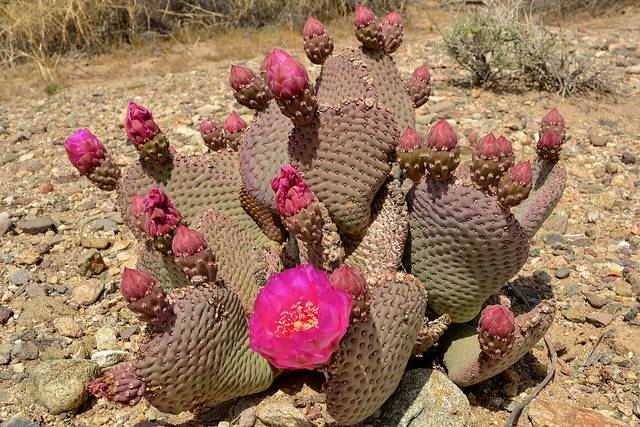
their population and identify ways that we can help. Bakersfield Cactus (Opuntia Basilaris Treleasei) What is it? The Bakersfield cactus is a variety of the beavertail cacti, which means
that they have flat, fleshy pads. The Bakersfield cactus can vary in size but grows
in a low, sprawling fashion close to the ground and cover areas up to 33 feet across,
though rare. This species of cactus has relatively small spines that grow up to about
a third of an inch. Where does it live? The Bakersfield cactus is known to only occur in Kern County around
Bakersfield and since its discovery is only found in a few areas around the outskirts
of the city. What’s its life like? Not much is known about the life history of the Bakersfield
cactus. What s understood is that this cactus is adapted to live in deserts evident
by its shallow root system, fleshy stems, and small short-lived leaves. The Bakersfield
cactus usually flowers in late spring, but not much else about its reproductive biology.
Leaf pads that break off the cactus can produce a new cactus if they successfully
take root, and this can be an important mode of reproduction in addition to seeds. Why is it endangered? This species of cactus is endangered because of habitat loss
due to the conversion of habitat to agriculture. Other factors that contribute to
its decline include urbanization, energy development, mineral extraction, off-road
vehicle activity, competition with introduced plants, and air pollution. What is CSUB doing to protect this species? CSUB is home to a few Bakersfield cacti
that reside in a protected area of campus.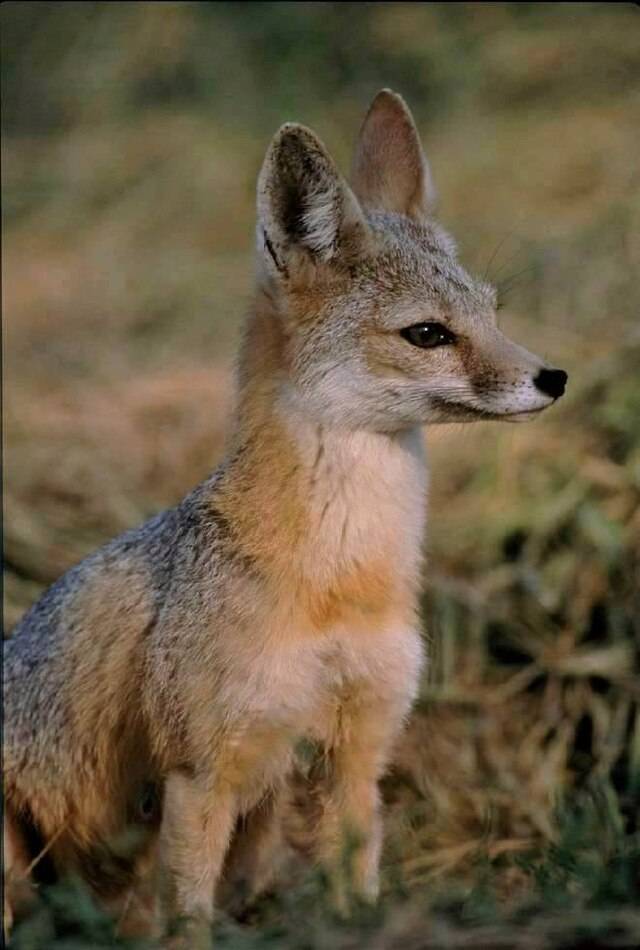
CSUB Tree Care Plan