Welcome to HR!

New to CSUB?
CSUB Well, our comprehensive wellbeing platform, is now available to all benefit-eligible employees! Explore a wide range of wellness resources, from guided exercises and mental health support to financial wellness tips and healthy recipes, all designed to help you thrive. Register at csubwell.com!
Did you know? Walking can help elevate your mood and enhance mental well-being. Check out our Walking page to learn more about walking at CSUB, including details on walking groups and our campus walking map.
Employee Assistance Program
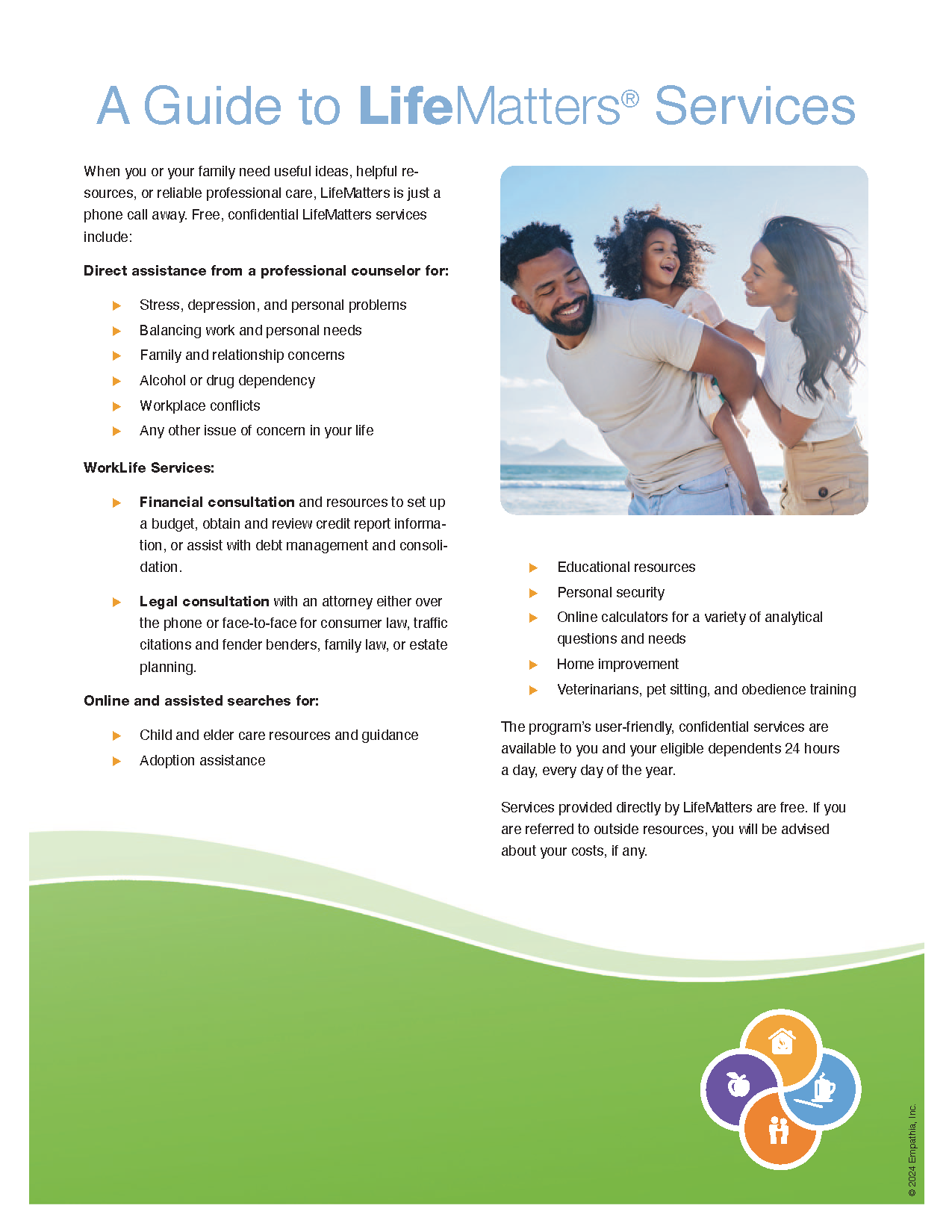
LifeMatters is a free employee assistance program offered to CSUB employees and their
families when they are in need of helpful guidance, counseling, local resources or
reliable professional care. Eligible employees and any members of their household,
including dependents living away from home, have 24-hour access to confidential services
that support emotional well-being, safety and productivity in the workplace.
Meet the Team

Area of Responsibility
Lori provides overall leadership and strategic direction for all areas within Human
Resources. Responsible for managing labor and employee relations for the University,
with a focus on maintaining positive and cooperative working relationships with our
various employee labor groups.
LEADERSHIP

Area of Responsibility
Responsible for Stateside and Auxiliary staff and management recruitment, classification
and compensation, performance management and human resource generalist services.

Area of Responsibility
Responsible for managing employee and labor relations for the University, with a focus
on maintaining positive and cooperative working relationships with our various employee
labor groups. Key responsibilities include promoting the resolution of workplace conflicts,
handling grievances fairly and efficiently, and investigating and addressing performance
and conduct issues, while ensuring compliance with collective bargaining agreements,
policies, and laws.
STAFF

I can help with...
Absence Management, CSUB Sponsored Programs and Foundation Payroll.
I can help with...
Responsible for maintaining all employment transactions including appointments, positions
changes, special payments, separations, Bio-Demo changes, and Persons of Interest
(POI) in the campus HRIS, PeopleSoft. Oversees the New Employee Hire Paperwork process
and I-9 tracking.

I can help with...
First point of contact in HR office, can assist with general information inquiries
and forms, employee onboarding and new hire paperwork, verification of employment,
access requests, confidentiality agreements, and separation clearance forms.
I can help with...
One-time Payments, Stipends, and Overtime.

I can help with...
Annual and probationary performance evaluations, wellness, and HR strategic initiatives.

I can help with...
Front desk support for payroll services. Can assist with address and tax withholding
changes, direct deposit enrollment, and employment verifications.
I can help with...
Recruiting and employment services for Business and Administrative Services, Student
Affairs and Auxiliary. Summer employment and CHRS (PageUp) Administrator.
I can help with...
Compensation, In-Range Progressions, Position Description reviews, stipend/bonus programs.
I can help with...
One-time Payments, Garnishments, Address Changes, and Tax Withholding Updates.

I can help with...
Stateside and auxiliary benefit enrollments and changes. Processes all employee and
dependent fee waivers. Provides information and support for CSU and Auxiliary benefit
programs.

I can help with...
Campus Labor Cost Distribution process, including pay tape and adjustments, Labor
Cost Distribution Change Requests and Payroll Move Requests. Maintain Position Control
for all divisions including general and non-general funds.
I can help with...
Functional/technical support for HR systems which includes PeopleSoft, Recruiting,
and State Controller’s Office systems. Includes system access request processing;
HR/Payroll website maintenance, regulatory and campus division/school/dept data reporting
requests.